"Can I Continue to Nurse?": Navigating Breastfeeding and an IVF Cycle
by Denada Saini, last updated 19 Oct 2026,
3 min read
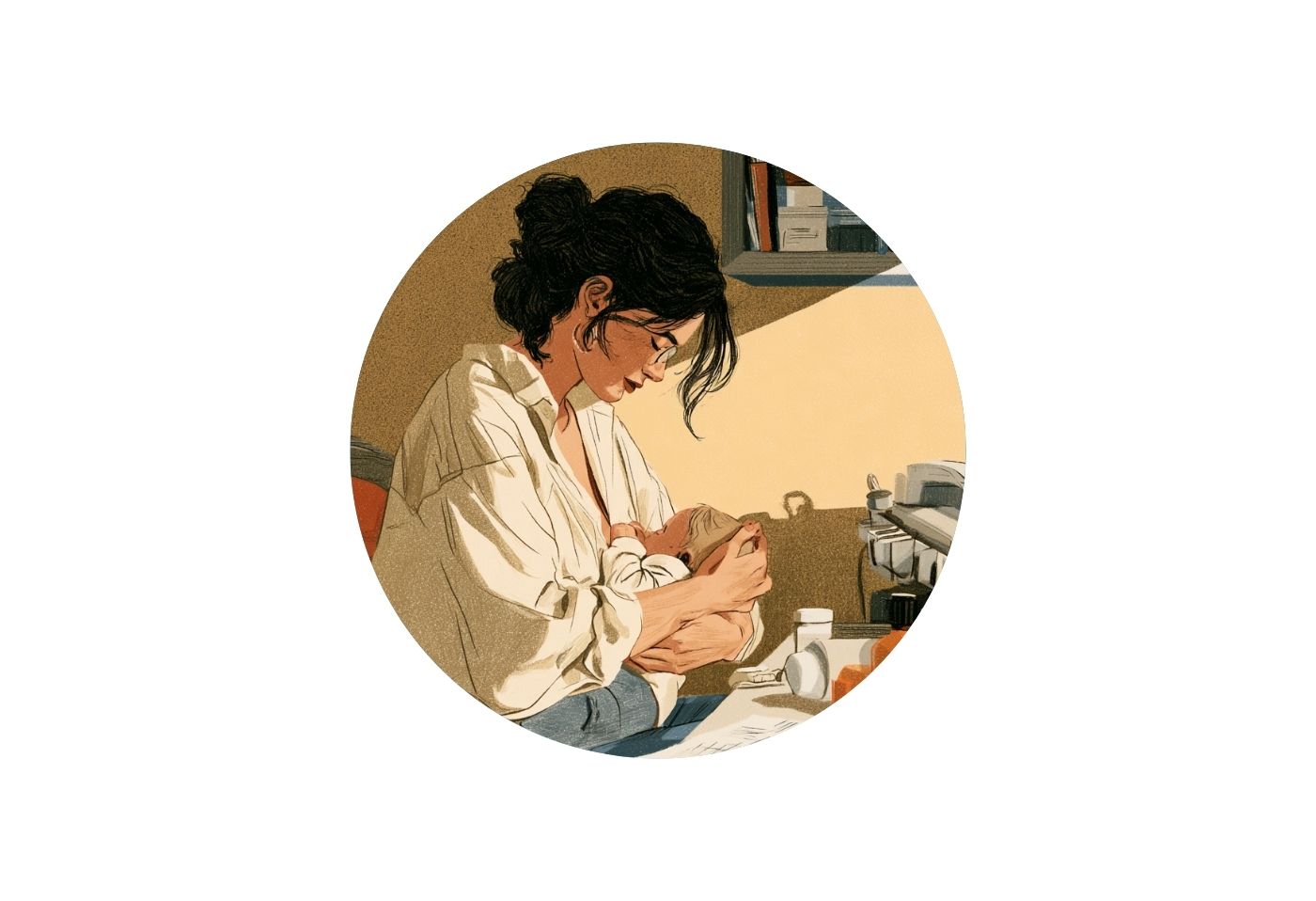
That question - “Can I keep nursing while going through IVF?” - is far more common than many realize, especially for mothers hoping to welcome a sibling. Many women find themselves torn between protecting the nursing bond with their firstborn and giving their body the best possible chance for another healthy pregnancy.
Because breastfeeding directly influences your hormonal baseline, the answer is rarely a simple yes or no. Here is what you need to know about combining lactation and fertility treatment.
How Breastfeeding Affects Your Fertility Hormones
Breastfeeding triggers the release of prolactin, the hormone responsible for milk production. Elevated prolactin suppresses the hormones that signal your ovaries to mature and release eggs, often leading to irregular cycles or a complete pause in menstruation (lactational amenorrhea).
From an IVF perspective, hormonal stability is crucial:
- Predictable Ovulation: Irregular cycles make it harder to schedule ovarian stimulation and predict how your ovaries will respond to medication.
- Uterine Receptivity: Elevated prolactin can alter progesterone production, which plays a critical role in endometrial lining development and embryo implantation.
For these reasons, fertility specialists evaluate your menstrual regularity and baseline hormone levels before structuring a treatment plan.
Medication Safety and Milk Supply
A frequent concern among nursing mothers is whether IVF medications pass into breast milk.
Most injectable hormones used during stimulation result in minimal transfer into milk. However, clinical safety data remains limited. Some fertility medications can significantly reduce your milk supply, while others are simply not advised while actively nursing a baby - particularly infants under one year old who rely on milk for primary nutrition.
Because of these safety and efficacy considerations, many clinics recommend fully weaning before starting ovarian stimulation or preparing for a frozen embryo transfer (FET).
Finding the Balance: Weaning and Timing
Advice can vary depending on your unique profile. A clinic may suggest:
- Complete Weaning: Taking a short break (often 1 to 3 months) to allow prolactin levels to normalize and ensure optimal egg yield and uterine receptivity.
- Partial Weaning: Reducing night feeds or overall frequency to allow natural cycles to resume while keeping a limited nursing routine for an older toddler.
- Case-by-Case Assessment: Proceeding with treatment if your child is older, feeds are occasional, and your hormone panels and menstrual cycles are completely stable.
The choice to adjust or end your breastfeeding journey is emotional as well as medical. Feeling conflicted, anxious, or sad about weaning is completely normal. Approaching the transition gradually can make the process easier for both you and your child.
Personalizing Your Path to a Second Child
Every mother’s fertility timeline and family dynamic are unique. Decisions around IVF and nursing should balance your maternal goals, age, ovarian reserve, and your child's current needs.
If you are planning your next pregnancy and have questions about weaning timelines or hormone testing, reaching out for expert advice is a reassuring first step. Contact the clinical team at Newlife IVF Greece to schedule a consultation, explore your options, and build a clear, personalized plan for your family's next chapter.

Denada Saini, Diploma
Denada is a certified midwife and a member of the Newlife-IVF clinic.