How Embryologists Choose ‘The One’: Grading, Time‑Lapse Imaging and Modern Lab Tools
by Vasilis Geladaris, last updated 12 Oct 2026,
2 min read
Selecting the single best embryo for transfer is one of the most critical steps in an IVF cycle. At Newlife IVF Greece, our embryology team combines decades of expertise with advanced laboratory technology to ensure that the chosen embryo has the highest potential for a successful pregnancy and a healthy baby.
Standard Morphological Grading
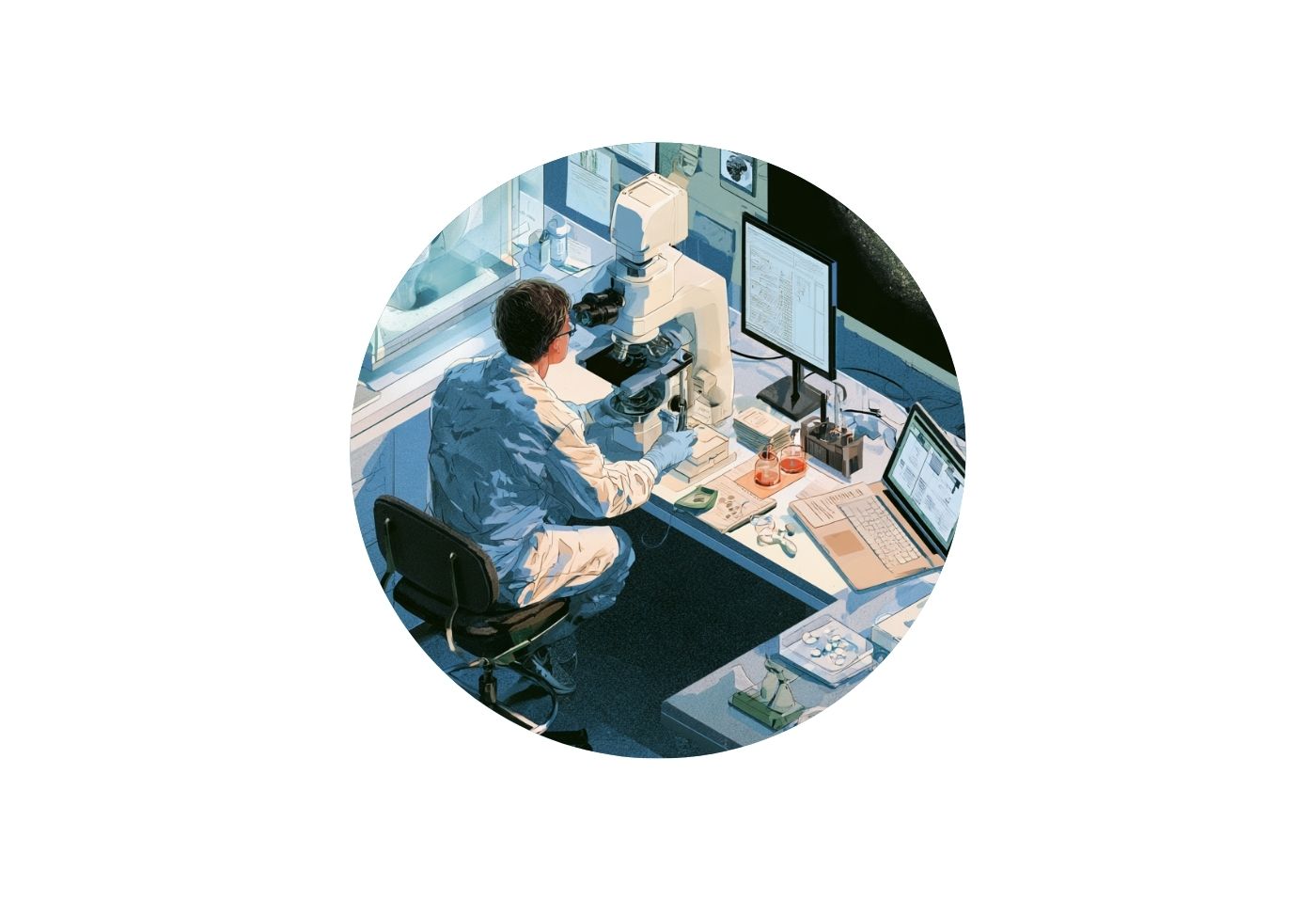
Traditional embryo selection relies on detailed visual assessment under a microscope. Embryologists evaluate specific structural milestones based on the stage of development:
- Day 3 (Cleavage Stage): Assessment focuses on cell count (ideally 6 to 8 cells), cell symmetry, and the degree of fragmentation.
- Day 5/6 (Blastocyst Stage): Embryos are graded using established frameworks (such as the Gardner scale). This evaluates the expansion of the fluid-filled cavity, the quality of the Inner Cell Mass (which forms the fetus), and the Trophectoderm (which forms the placenta).
Time-Lapse Imaging (EmbryoScope)
While traditional grading requires removing embryos from the incubator to check them at specific intervals, time-lapse technology offers continuous, non-invasive monitoring. Incubators equipped with built-in cameras take microscopic photos every few minutes.
- Uninterrupted Culture: Embryos remain in a completely stable environment with optimal temperature, gas concentration, and pH levels.
- Morphokinetic Profiling: Embryologists track exact timing markers, such as the precise hour of division or the appearance of key structures. Abnormal division patterns that might be missed during standard checks are easily identified and ruled out.
Preimplantation Genetic Testing
For comprehensive evaluation, genetic testing provides insight beyond physical appearance.
PGT-A (Aneuploidy Screening): A few cells are safely removed from the trophectoderm of a blastocyst to screen for numerical chromosomal abnormalities, helping reduce the risk of miscarriage.
By blending precise observational grading with advanced imaging algorithms and genetic analysis, embryology labs maximize single-embryo transfer success rates while minimizing multi-gestational risks.
Every fertility journey is unique, and selecting the right embryo requires both advanced science and personalized care. If you have questions about your IVF options or want to learn more about our laboratory protocols, contact our team today to schedule a personal consultation.

Vasilis Geladaris, BSc
Vasilis is a Clinical Embryologist at the Newlife IVF Greece clinic.