The egg retrieval explained: Pain management, recovery, and follicle count Q&A
by Mariliz Hatzipanteli, last updated 30 Mar 2026,
3 min read
Egg retrieval can sound scary at first, but it is a short, well‑controlled procedure that most women handle much better than they expect. Knowing what will happen on the day - and afterwards - can make this step feel far less overwhelming.
What actually happens at egg retrieval?
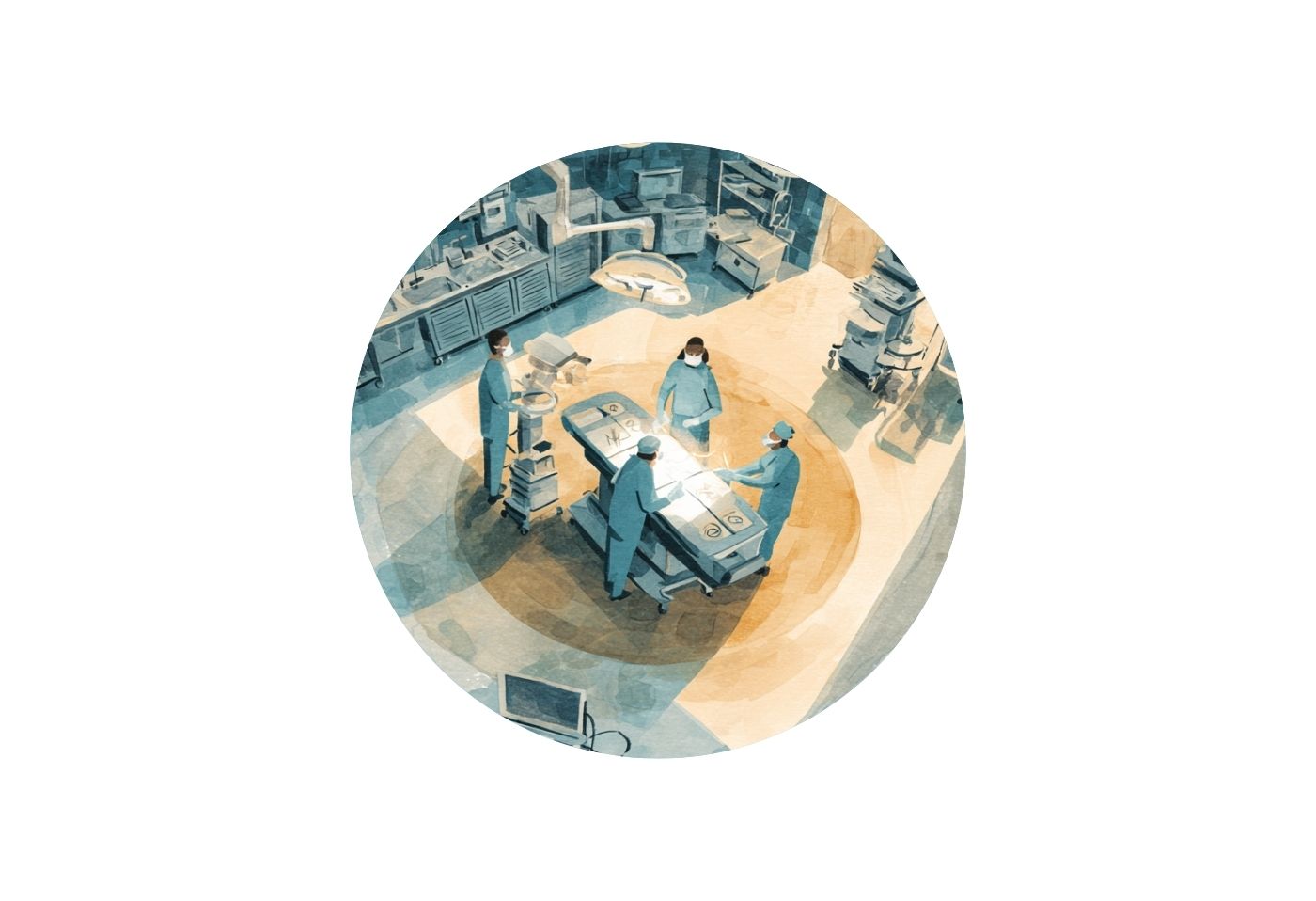
Egg retrieval is when your doctor gently collects eggs from your ovaries after stimulation. It is done under ultrasound guidance with a thin needle through the vaginal wall, and usually takes around 15-30 minutes. You won’t see the needle, and a medical team monitors you closely from start to finish.
Pain management: Will it hurt?
You are typically given sedation or light anaesthesia, so you feel relaxed and comfortable, and often sleep through the procedure. Most women feel no pain during retrievals. Period‑like cramps, bloating or a feeling of fullness can be symptoms following the retrievals. Simple pain relief, rest and a warm pack (if advised by your doctor) usually keeps discomfort manageable over the next 1-2 days.
Recovery: What to expect in the first 48 hours
Right after the procedure, you stay at the clinic briefly while the sedation wears off. It’s normal to feel sleepy, emotional or a bit dizzy. Mild spotting, cramps and bloating can appear later that day or the next, so plan light activities only and avoid heavy lifting, intense exercise or intercourse for a few days. It’s wise to keep the day of retrieval and the following day as free as possible so you can rest without pressure. If you notice severe pain, major swelling, shortness of breath or nausea, you should contact your clinic urgently.
Follicles vs eggs: What does each number mean?
The numbers you hear on scans and retrieval day can feel confusing, so let’s break them down.
- Follicles are the fluid‑filled sacs in your ovaries; each may contain an egg, but not every follicle will yield a mature egg.
- Before retrieval, the doctor counts follicles and measures their size on ultrasound to time the trigger injection.
- At retrieval, embryologists will inform you how many eggs were actually collected. This number is often lower than the follicle count, and that is normal.
Quality matters more than quantity, and the doctor will always put these numbers into context for your age, diagnosis and treatment plan.
Q&A: Your most common egg retrieval questions
- How painful is egg retrieval really?
With proper sedation or light anaesthesia, most women report feeling no pain during the procedure itself, only some cramping and bloating afterwards that improves over 1-3 days. - Can I work the next day?
Many do, especially in non‑physical jobs, but keeping the day of retrieval and the following day as free as possible gives your body time to rest. - Is a higher follicle count always better?
Not necessarily. Very high numbers can increase the risk of OHSS, while a moderate, well‑controlled response may be safer and more balanced. Our team aims for a response that suits your ovaries, not just the biggest number. Newlife IVF Greece has been an OHSS free clinic exactly because of the highly personalised treatment plans we use. - Will egg retrieval affect my future fertility?
No. The eggs collected are from the group your body would naturally “use up” in that cycle. IVF does not take eggs from your long‑term reserve; it simply rescues more from being lost that month. - When will I hear about fertilisation?
The first update comes the next day about the number of eggs fertilised, and again over the following days as embryos develop.
Understanding what happens at egg retrieval can take a lot of fear out of this key IVF step. With gentle, tailored stimulation, careful anaesthesia, close monitoring and clear communication, this part of your journey can be safe, manageable and one more step towards the family you are working so hard for.
Contact our team today and let us guide you through this journey.

Mariliz Hatzipanteli, MD, MSc
Mariliz Hatzipanteli is an Infertility Specialist at Newlife Center of Reproductive Medicine.